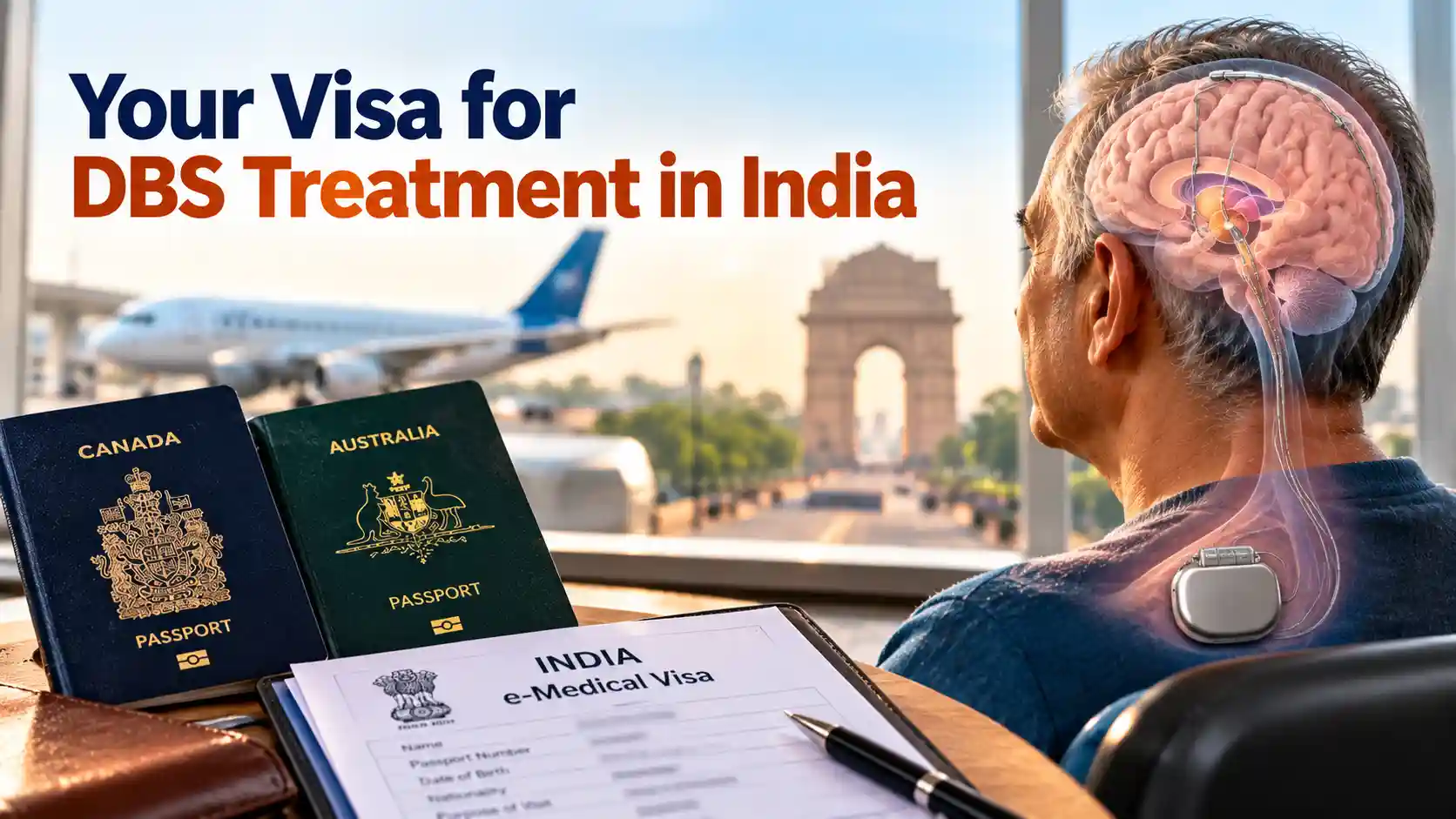
You have reviewed the surgeon, the device and the cost. Then a practical question stops you: how do you actually get into the country? For many families, the India medical visa for DBS surgery feels like the most confusing step.
The good news is that it is usually simple. Most Canadian and Australian passport holders can apply online, and the whole process often takes days, not months.
The catch is timing. A visa that runs out before your programming is done, or a carer on the wrong visa, can cause real stress. I have seen both. Below is what our international families need to know, in plain language.
Key Takeaways
- Both countries can use India’s e-Visa. Australian and Canadian ordinary passport holders are eligible. India restored e-Visa services for Canadians on 22 November 2023 after a short suspension.
- The e-Medical Visa allows three entries. It has long been granted for 60 days, with the FRRO able to extend stay up to 6 months case by case. An August 2026 news report says validity has been extended to one year, so confirm the current terms on the official e-Visa portal when you apply.
- Up to two attendants are allowed. Each patient can bring a maximum of two e-Medical Attendant Visa holders, who must arrive with the patient.
- Short stays need no FRRO registration. Registration is only required if your stay in India goes beyond 180 days.
- Demand is high and well established. About 1.81 million foreign nationals travelled to India for medical care between 2023 and 2025, most on medical visas (Ministry of Health and Family Welfare, reported by UNI, August 2026).
- A typical DBS trip of 3 to 4 weeks fits well within the e-Medical Visa period.
- OCI cardholders do not need a separate medical visa.
Do You Need a Visa at All?
Yes, unless you hold an OCI card. Neither Canadian nor Australian citizens can enter India visa-free.
Which route fits you depends on your situation:
- Most patients: apply for an e-Medical Visa online
- People of Indian origin with an OCI card: you can usually travel for treatment on your OCI, with no separate visa
- Holders of diplomatic or official passports: apply for a regular paper visa through the Indian mission
- Patients expecting a long stay: a regular Medical Visa from the Indian mission may suit better
Many of our Punjabi-origin families in Brampton, Surrey, Melbourne and Sydney already hold OCI cards. Check yours before applying for anything.
e-Medical Visa vs Regular Medical Visa
The table compares the main options. Rules can change, so always confirm on the official portal.
| Feature | e-Medical Visa | Regular Medical Visa | e-Medical Attendant Visa |
|---|---|---|---|
| How to apply | Online | Through the Indian mission or its visa centre | Online, linked to the patient |
| Entries | Triple | Usually triple | Triple |
| Typical stay | Traditionally 60 days, extendable by FRRO case by case | Often longer, based on treatment plan | Matches the patient’s visa |
| Who it suits | Most DBS patients | Long or complex treatment plans | Spouse or close family carer |
| Key document | Hospital invitation letter | Hospital letter and mission forms | Patient’s visa details and relationship proof |
| Processing | Usually a few working days | Longer, varies by mission | Same as patient |
For most DBS trips, the e-Medical Visa is the simplest choice.
Visa Documents You Will Need
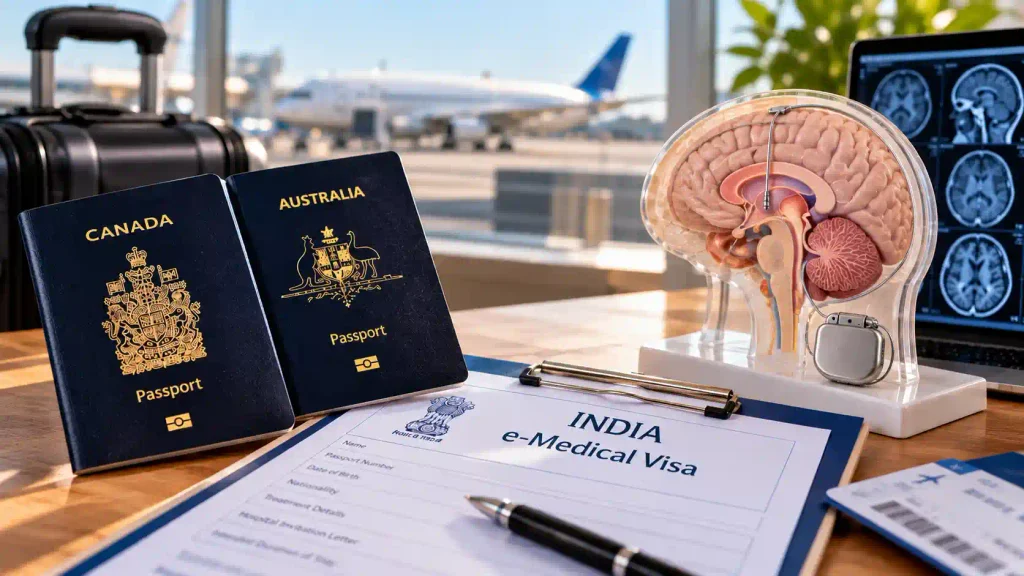
Keep scanned copies ready before you start the online form.
- Passport: valid for at least six months from arrival, with at least two blank pages
- Recent photo: plain light background, as per the portal’s size rules
- Passport bio page scan
- Hospital invitation letter from the Indian hospital
- Supporting medical letter from your neurologist (helpful, though not always mandatory)
- Attendant details, if family members are travelling with you
A blurred upload or a passport close to expiry is one of the most common reasons for delay. Take the time to get these right.
How to Get a Hospital Invitation Letter
The hospital invitation letter is the core document. It tells immigration why you are coming and where you will be treated.
A good letter usually includes:
- Your full name and passport number, exactly as on your passport
- Your diagnosis and the planned treatment (DBS evaluation and surgery)
- The expected treatment period
- The hospital’s name, address and registration details
- The names of any attendants travelling with you
- Signature and stamp of the treating doctor or hospital
We issue this letter only after reviewing your reports and confirming that DBS is likely to be suitable. Our international patient desk sends it by email, usually within a few working days.
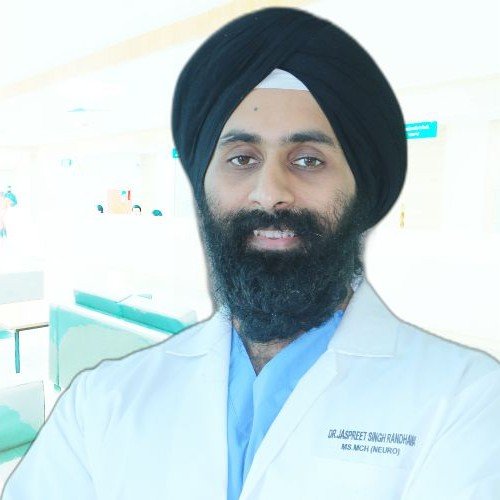
“I do not issue an invitation letter just to help someone get a visa. I first review the reports and make sure DBS genuinely makes sense for that patient. A visa is easy to arrange. Bringing someone halfway around the world for a surgery that will not help them is not something I will do.” Dr Jaspreet Singh Randhawa
Step-by-Step Timeline: From First Contact to Arrival
Getting an India medical visa for DBS surgery works best in a clear order.
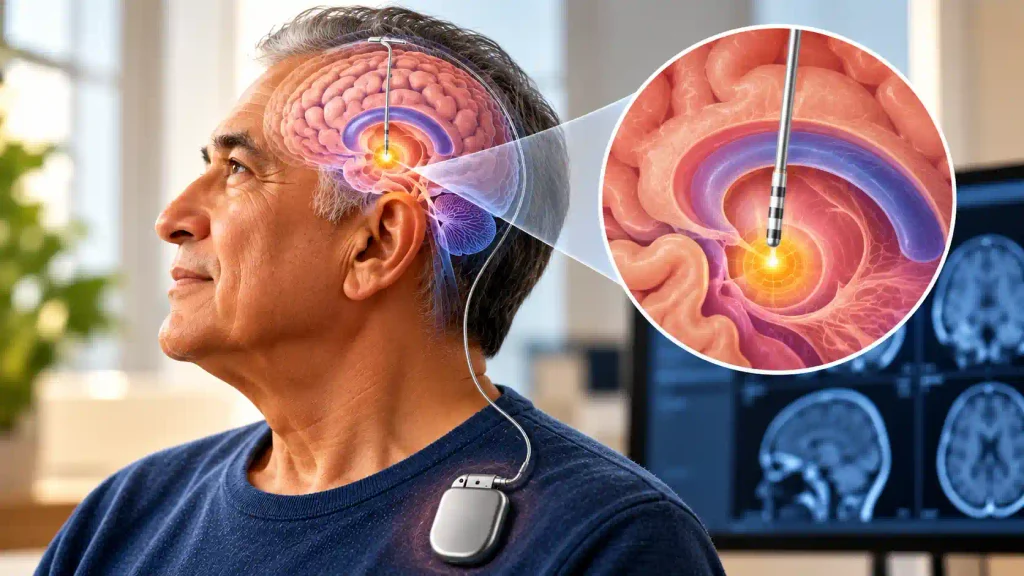
Step 1: Medical Review (Week 1 to 2)
Send your reports for a remote review. We discuss them with you on a video call and confirm suitability, device options and a cost estimate. Our DBS cost breakdown explains what the package includes.
Step 2: Invitation Letter (Week 2)
Once you agree on dates, we send the hospital invitation letter for the patient and attendants.
Step 3: Online Application (Week 2 to 3)
Apply on the official portal and pay the fee. Apply only on the government site, not through look-alike sites that charge extra.
Step 4: Approval (A Few Working Days)
Visa processing time is often a few working days, but leave a buffer of two to three weeks before travel. Print your approval.
Step 5: Before You Fly
Complete the online e-Arrival card within 72 hours before landing. Make sure you arrive at an airport designated for e-Visa entry, such as Delhi.
Medical Attendant Visa: Who Can Come With You
Most DBS patients need someone with them. After surgery you will be tired, your medicines will be changing, and you should not travel home alone.
Key rules for attendants:
- Up to two attendants per patient
- Usually a spouse, adult child, sibling or other close relative
- Each attendant applies for their own e-Medical Attendant Visa
- Attendants must arrive with the patient
- Their visa period matches the patient’s
If a carer arrives on a tourist visa instead, it can cause problems later, especially if your stay needs to be extended.
How Long Can You Stay, and What If Recovery Takes Longer?
A typical DBS trip has a predictable shape:
- Evaluation: about one week
- Two surgical stages: about one week
- Activation, wound checks and early programming: one to two weeks
That makes 3 to 4 weeks in total, which fits well within the e-Medical Visa period. You can study about realistic results on our DBS success rates.
If recovery takes longer, for example a slow-healing wound, the FRRO can consider an extension on medical grounds. We provide the medical letter you need, and the request is made through the e-FRRO online system.
“Most of my international patients are home within four weeks. If anything needs more time, I would much rather we extend your stay properly than rush you onto a long flight. We prepare the medical paperwork for an extension the same day it is needed.” Dr Jaspreet Singh Randhawa
FRRO Registration: Do You Need It?
For almost all DBS patients, no. FRRO registration is only required when a foreign national stays in India beyond 180 days.
You would only deal with the FRRO if:
- You need to extend your visa for medical reasons
- Your stay crosses 180 days, which is very rare for DBS
- Your visa carries a special note saying registration is required
What If Your Visa Is Delayed or Rejected?
Delays are usually caused by small, fixable issues. Rejections are less common and often linked to document problems.
If you face a delay or refusal:
- Check the status on the official portal and your email, including spam
- Look for mismatches: name spelling, passport number or dates
- Re-upload a clearer photo or passport scan if asked
- Ask us for a revised invitation letter if dates have changed
- Contact the e-Visa support centre listed on the portal
- Consider applying for a regular Medical Visa through the Indian mission if the e-Visa route keeps failing
Never travel until your status shows as granted.
Should You Book Flights Before Approval?
It is safer to wait, or to book only refundable or changeable tickets. Accommodation near the hospital can usually be held with a flexible booking.
Our team can suggest nearby stays and arrange airport pickup once your visa is approved.
Travelling While Still Under Treatment at Home
You can and should keep seeing your neurologist at home until you travel. In fact, an up-to-date letter from them makes planning easier and safer.
Before you fly:
- Bring at least a few weeks of extra medicine, in your hand luggage
- Carry a doctor’s letter listing your medicines and doses
- Keep your dose times on your home time zone at first, then adjust as advised
- Tell your neurologist your travel and surgery dates
The CDC travel advice on medical tourism recommends talking to your own doctor before any trip abroad for treatment. DBS improves movement symptoms but does not cure Parkinson’s, so your home team stays important for life.
Medical Records to Carry
Carry paper copies and digital copies on your phone or a USB drive.
- Neurologist letters and diagnosis history
- Full medicine list, with doses and timings
- Recent brain MRI images and report
- A short video of your “on” and “off” states
- Recent blood tests and ECG
- Details of any blood thinners
- Allergies and other health conditions
“Families who bring complete records save themselves days. When I have the MRI, medicine list and a clear video on day one, we can plan the evaluation straight away. Missing records rarely stop surgery, but they almost always slow it down.” Dr Jaspreet Singh Randhawa
You can read about Dr Randhawa’s background in DBS and functional neurosurgery.
Final Thoughts
The visa is usually the easiest part of DBS treatment abroad. What matters most is doing things in the right order: medical review first, then the invitation letter, then the visa, then flights.
If you would like help with any step, send your reports for a no-obligation review. We will confirm whether DBS is right for you and guide you through the paperwork from there.
Frequently Asked Questions
1. Do Canadian and Australian citizens need a medical visa to undergo DBS surgery in India?
Yes. Both need a visa to enter India for treatment, and the e-Medical Visa is the usual choice. OCI cardholders are the main exception and can generally travel for treatment on their OCI.
2. Can I apply for an Indian e-Medical Visa for deep brain stimulation surgery?
Yes. DBS is a planned medical treatment, which is exactly what the e-Medical Visa covers. You apply online with your passport details, photo and a hospital invitation letter.
3. What documents are required for an India medical visa for DBS surgery?
You need a passport valid for at least six months with two blank pages, a recent photo, a scan of your passport bio page and a hospital invitation letter. A letter from your neurologist is helpful as supporting evidence.
4. How do I obtain a hospital invitation letter for DBS surgery in India?
Send your medical reports to the hospital’s international patient desk for review. Once the surgeon confirms you are a suitable candidate and dates are agreed, the hospital issues a signed letter, usually within a few working days.
5. How long does Indian medical visa processing take for Canadian and Australian patients?
Most e-Medical Visas are processed within a few working days. Still, leave at least two to three weeks before travel in case documents need correcting.
6. Can my spouse or family member accompany me to India on a medical attendant visa?
Yes. Up to two close family members can apply for e-Medical Attendant Visas linked to your visa. They must arrive in India with you.
7. What is the difference between an e-Medical Visa and a regular Medical Visa for DBS surgery?
The e-Medical Visa is applied for online, processed quickly and suits most DBS trips. A regular Medical Visa is applied for through the Indian mission, takes longer and may suit patients expecting a much longer stay.
8. Can I apply for a medical visa before my DBS surgery date is confirmed?
It is better to wait until the hospital confirms your suitability and gives you a treatment window. The invitation letter needs dates, and applying too early risks a mismatch with your travel plans.
9. What should I do if my Indian medical visa is delayed or rejected?
Check your application for errors in name, passport number or uploads, and ask the hospital for an updated letter if needed. If problems continue, contact the official e-Visa support centre or apply for a regular Medical Visa through the Indian mission.
10. How long can I stay in India for DBS surgery, hospital recovery and follow-up appointments?
Most DBS patients need 3 to 4 weeks, which fits within the e-Medical Visa period. If you need longer, the FRRO can consider an extension on medical grounds with a letter from your surgeon.
11. Do I need FRRO registration after arriving in India for DBS surgery?
Usually not. FRRO registration is only required if your stay goes beyond 180 days or your visa specifically says registration is required.
12. Can I extend my Indian medical visa if my recovery or DBS programming takes longer than expected?
Yes, extensions can be requested through the e-FRRO online system on a case-by-case basis. We provide a medical letter explaining why more time is needed.
13. Can I travel to India for DBS surgery if I am still undergoing Parkinson’s disease or movement disorder treatment in Canada or Australia?
Yes. Keep taking your medicines and seeing your neurologist until you travel, and bring a letter listing your current treatment. Your home team will also manage your care after you return.
14. Should I book flights and accommodation before my Indian medical visa is approved?
It is safest to wait for approval, or book only refundable or flexible tickets and stays. Never travel until your visa status shows as granted.
15. What medical records should I carry when travelling from Canada or Australia to India for DBS surgery?
Carry neurologist letters, your medicine list with doses, recent brain MRI images and report, blood tests, ECG and a video of your “on” and “off” states. Keep paper and digital copies, and pack extra medicine in your hand luggage.
Complete Travel & Clinical Planning for Canadian and Australian Families: Once your visa checklist is clear, review our main surgical page for Deep Brain Stimulation surgery in Mohali, Punjab, alongside our step-by-step country guides on travelling from Canada to India for DBS surgery, planning DBS surgery in India from Australia, comparing total DBS surgery cost in India vs Canada and Australia, and arranging home DBS programming after surgery abroad. To request an official hospital visa invitation letter, message our desk on WhatsApp at +91 98765 40305.