A thirteen year old told to eat more cheese and apples for her period pain is a real story shared in an online endometriosis community, and it is far from unusual. Pain severe enough to cause vomiting or fainting gets waved off as normal more often than it should, and that dismissal can delay proper evaluation for years. Endometriosis symptoms during periods often follow a recognizable pattern, and knowing that pattern is the first step toward taking it seriously instead of accepting it as an unavoidable part of having periods.
Key Takeaways
- Severe period pain is not automatically normal simply because periods themselves are common
- Endometriosis symptoms often extend beyond pain, including bowel changes, fatigue, and pain outside the main bleeding days
- Symptoms alone cannot confirm endometriosis, but a recognizable pattern is a reasonable basis for medical evaluation
- Pain that is worsening over time, rather than staying stable, is a specific detail worth raising directly with a doctor
- If your period pain fits this pattern, reviewing our Endometriosis Diagnosis guide alongside a consultation with an endometriosis specialist in Mohali is a reasonable next step
What Counts as a Recognizable Endometriosis Symptom Pattern
Endometriosis symptoms during periods typically include pain that starts before bleeding begins and continues for several days afterward, along with bowel or bladder changes, pain during intercourse, and fatigue tied to the menstrual cycle. No single symptom on its own confirms the condition, but a specific combination, especially pain that is severe, worsening, or unresponsive to standard treatment, points toward a pattern worth evaluating rather than managing alone indefinitely.
According to NHS, common symptoms include pain in the lower abdomen or back, period pain that stops normal daily activities, pain during or after sex, pain when urinating or passing stool during a period, and difficulty getting pregnant. Some women have no noticeable symptoms at all, which is part of why symptom checklists cannot replace a proper clinical evaluation.
9 Warning Signs Worth Paying Attention To
A specific set of symptoms recurs consistently in patient descriptions of endometriosis, whether shared with a doctor or discussed in patient communities online.
- Pain that begins before your period starts and continues for several days after it ends
- Pain severe enough to cause vomiting, fainting, or missed school and work on a recurring basis
- Pain during or after sex, particularly when it coincides with your cycle
- Painful bowel movements or urination specifically during your period
- Heavy bleeding, longer periods, or blood clots that are noticeably different from your usual pattern
- Bloating, nausea, diarrhea, or constipation tied specifically to your menstrual cycle
- Lower back or leg pain that accompanies pelvic pain during your period
- Fatigue or exhaustion that is disproportionate to your usual energy levels around your period
- Pain that keeps worsening over successive cycles rather than staying the same or improving
Pain severity alone does not confirm endometriosis, and its absence does not rule it out either. The pattern, combined with how it responds to standard treatment, is what a doctor actually evaluates.
Why Severe Period Pain Should Not Be Normalized
Menstruation is common. Debilitating pain during it is not something to accept simply because periods themselves are ordinary. This distinction gets lost frequently, particularly for younger patients told that pain is just part of growing up.
Pain that repeatedly causes vomiting or fainting, prevents normal daily activity, or requires frequent medication to manage deserves proper medical evaluation. This does not mean every uncomfortable period signals a serious condition, since mild cramping is genuinely common and generally manageable with over the counter medication. The distinction lies in severity and functional impact, which is a specific, usable marker for deciding when to seek assessment rather than continuing to manage pain alone.
Symptoms Beyond Pain: What Gets Overlooked

Pelvic pain gets the most attention, but a number of other symptoms follow the same cyclical pattern and are frequently missed or attributed to unrelated causes.
| Symptom | Why It Gets Missed |
|---|---|
| Bowel changes | Often referred to a gastroenterologist without the cyclical connection being noticed |
| Fatigue | Frequently attributed to general tiredness or lifestyle rather than the menstrual cycle |
| Leg or back pain | Sometimes evaluated as an orthopedic issue before the pelvic connection is considered |
| Bloating and nausea | Mistaken for a digestive or dietary issue rather than a hormonal pattern |
| Irregular bleeding | Attributed to stress or contraception changes without further evaluation |
Mentioning that these symptoms follow your cycle specifically, rather than describing them as separate, unrelated complaints, gives a doctor considerably more useful information to work with.
Symptoms in Younger Patients Deserve the Same Attention
Endometriosis is not limited to adult women. Adolescents describing severe pain from their first period onward are sometimes told it is a normal part of getting older, and that reassurance can delay proper evaluation for years, occasionally into adulthood.
Mayo Clinic notes that the severity of pain is not necessarily a reliable indicator of the extent of the condition, meaning a teenager reporting severe symptoms deserves the same clinical seriousness as an adult reporting the same pattern, rather than being reassured that discomfort will simply pass with time.
Endometriosis Symptoms During Periods: When to Involve a Doctor in Mohali
A specific set of circumstances is a reasonable trigger for a proper medical evaluation rather than continued self management.
- Pain that has been present for more than a few cycles and is not improving with standard over the counter medication
- Symptoms that are worsening in intensity or frequency rather than staying stable
- Bowel, bladder, or fertility symptoms appearing alongside period pain
- Pain significant enough to affect school, work, or daily plans on a recurring basis
Women researching painful periods doctor Mohali options, or comparing an endometriosis specialist Chandigarh consultation against a local Mohali clinic, generally find it useful to bring a written symptom log covering a few cycles, since a documented pattern gives a specialist far more to work with than a single description during a short appointment. Reviewing endometriosis symptoms Mohali patients commonly describe, alongside the broader Endometriosis Treatment in Mohali guide, is a reasonable starting point before that appointment.
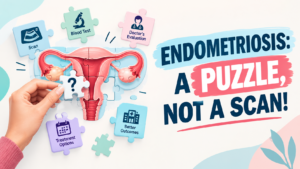
Severe period pain endometriosis cases are not diagnosed from symptoms alone. A gynecologist will typically combine your symptom history with an examination and, when appropriate, imaging, to build a fuller clinical picture rather than relying on a checklist match.
What a Symptom Pattern Does and Does Not Tell You
Recognizing a pattern of endometriosis symptoms during periods is useful for deciding when to seek evaluation. It is not, on its own, a diagnosis.
Symptoms overlapping significantly with endometriosis can also point toward other conditions, including primary dysmenorrhea, which is period pain without an underlying structural cause, or adenomyosis, a related but distinct condition affecting the uterine wall itself. Distinguishing between these possibilities is exactly what a proper clinical evaluation is for, and self diagnosis from a symptom list, however detailed, cannot substitute for that assessment.
If your pattern of symptoms matches what has been described here, particularly pain that is severe, worsening, or resistant to standard treatment, a direct conversation with a gynecologist experienced in endometriosis is a more useful next step than continuing to track symptoms indefinitely without a clinical opinion attached to them.
Frequently Asked Questions
1. How do I know if my period pain is normal or a sign of endometriosis?
Mild to moderate cramping that responds to over the counter medication and does not significantly disrupt your daily activities is generally considered typical. Pain that is severe enough to cause vomiting or fainting, prevents you from attending school or work, or requires frequent strong medication to manage falls outside that typical range and deserves proper evaluation. Symptoms alone cannot confirm endometriosis specifically, since other conditions can also cause significant period pain. The pattern, severity, and how the pain responds to standard treatment are what a doctor actually assesses, rather than pain intensity being judged in isolation.
2. Can endometriosis cause pain even when I am not on my period?
Yes, pain from endometriosis is not always confined to the days of active bleeding. Many women describe pelvic pain that begins before their period starts, continues for several days after it ends, or occurs at other points in the cycle entirely, including around ovulation. Chronic pelvic pain that persists outside the expected window of a period is a recognized pattern associated with endometriosis, though it is not exclusive to it. If your pain does not fit neatly within the days you are actively bleeding, that detail is worth describing specifically to your doctor rather than being left out because it seems unrelated to your period.
3. Is it normal for period pain to get worse as I get older?
Not necessarily, and worsening pain over successive years is actually a pattern worth raising directly with a doctor rather than assuming it is an expected part of aging. While some natural variation in period pain can occur over time, a consistent trend of worsening severity, particularly alongside other symptoms such as bowel changes or pain during sex, points toward a pattern that deserves evaluation rather than being managed with progressively stronger over the counter medication. Tracking whether your pain is stable, improving, or worsening across several cycles gives you and your doctor a clearer basis for deciding whether further investigation makes sense.
4. Can heavy bleeding or blood clots during periods be a sign of endometriosis?
Heavy bleeding, longer periods, or larger blood clots can occur alongside endometriosis, though they are not exclusive to it and can result from several other gynecological conditions. Endometriosis can affect the duration and severity of bleeding for some women, sometimes including irregular bleeding between periods as well. If your bleeding pattern has changed noticeably from what is typical for you, whether in duration, heaviness, or clotting, that change is worth mentioning specifically to a gynecologist, since it adds useful information to the overall symptom picture rather than being a standalone concern to monitor alone.
5. Why do I feel nauseous, bloated, or fatigued specifically during my period?
Nausea, bloating, and significant fatigue tied specifically to the menstrual cycle are recognized symptoms that can accompany endometriosis, alongside the more commonly discussed pelvic pain. These symptoms are frequently dismissed or attributed to unrelated digestive or lifestyle causes when they actually follow a clear cyclical pattern. If you notice that these symptoms consistently appear or worsen around your period rather than occurring randomly throughout the month, mentioning that specific timing to your doctor is useful, since a cyclical pattern across multiple symptoms is more clinically informative than any single symptom considered on its own.
6. Can endometriosis cause leg or lower back pain during periods?
Yes, endometriosis can cause pain that radiates beyond the pelvis into the lower back or legs, since the tissue involved can affect nerves connecting to the groin, hips, and legs. This can occasionally make walking more difficult during flare periods. This type of referred pain has other possible causes as well, so it needs appropriate clinical evaluation rather than being assumed to be endometriosis by default. If leg or back pain consistently accompanies your pelvic symptoms during your period, describing that specific pattern to your doctor helps build a more complete clinical picture than reporting pelvic pain alone.
7. I was told period pain is just normal. How do I know if that is true?
Reassurance that period pain is normal is accurate for mild, manageable cramping, but it is not accurate for pain severe enough to cause vomiting, fainting, or missed school or work on a recurring basis. If that reassurance does not match the severity or impact of what you are actually experiencing, it is reasonable to seek a second opinion or ask directly for further evaluation rather than accepting the first assessment as final. Bringing a written record of your symptoms across a few cycles, including pain severity and its impact on daily function, gives a doctor concrete information that is harder to dismiss than a general description offered verbally in a short appointment.
8. Can endometriosis symptoms appear in teenagers, or only in adults?
Endometriosis is not limited to adult women, and symptoms can appear from a first period onward in adolescence. Severe pain in a teenager is sometimes attributed to normal growing pains or general sensitivity to menstruation, which can delay proper evaluation for years. The severity of symptoms in a younger patient deserves the same clinical seriousness as it would in an adult, since pain severity is not necessarily a reliable indicator of how extensive any underlying condition actually is. If a teenager’s period pain is significantly disrupting school attendance or daily function, that pattern warrants proper evaluation rather than being managed only with reassurance.
9. Does painful sex during or after periods mean I might have endometriosis?
Pain during or after sex, particularly when it coincides with your menstrual cycle, is a recognized symptom associated with endometriosis, since affected tissue can cause inflammation and scarring that contributes to this specific type of pain. This symptom alone does not confirm the condition, since pain during intercourse can also result from several other causes unrelated to endometriosis. If this symptom occurs alongside other cyclical patterns, such as significant pelvic pain or bowel changes during your period, mentioning the combination to your doctor gives a more complete picture than reporting pain during sex as an isolated concern.
10. My periods are irregular and painful. Could this be something other than endometriosis?
Yes, irregular and painful periods have several possible underlying causes beyond endometriosis, including primary dysmenorrhea, hormonal imbalances, uterine fibroids, or adenomyosis, which affects the uterine wall rather than tissue outside it. Irregular bleeding on its own does not necessarily indicate endometriosis, since a number of other conditions can cause similar patterns. A proper clinical evaluation, rather than a symptom checklist alone, is what actually distinguishes between these possibilities. Describing your specific symptom pattern, including cycle length, bleeding characteristics, and pain timing, to a gynecologist is a more reliable path to an accurate answer than attempting to self diagnose from overlapping symptom lists.