

There is a specific kind of worry that comes with headaches that appear out of nowhere. Not the occasional headache you have had since your twenties. Not the one that arrives with a stressful week at work. The kind where, one day, a headache starts, and then it is simply there every day after that, with no obvious explanation and no history of this happening before.
If you are asking why am I getting headaches everyday all of a sudden, you are not describing a gradual worsening. You are describing a clear before and after. That distinction matters clinically. This is one of the most unsettling headache presentations Dr. Jaspreet Singh Randhawa encounters at Medisyn Neuro Centre in Mohali, and for good reason. Getting headaches everyday all of a sudden is neurologically distinct from gradual-onset chronic headache. It has its own causes, its own clinical name in some cases, and critically, it includes a small but important group of presentations that represent a medical emergency requiring same-day neurological attention.
This article addresses the question directly. Why am I getting headaches everyday all of a sudden, why do I keep getting headaches everyday when this never happened before, why am I suddenly having headaches everyday, what the 7 most common causes are, how to tell which one applies to you, and the 5 warning signs that change this from a concerning pattern into an urgent one.
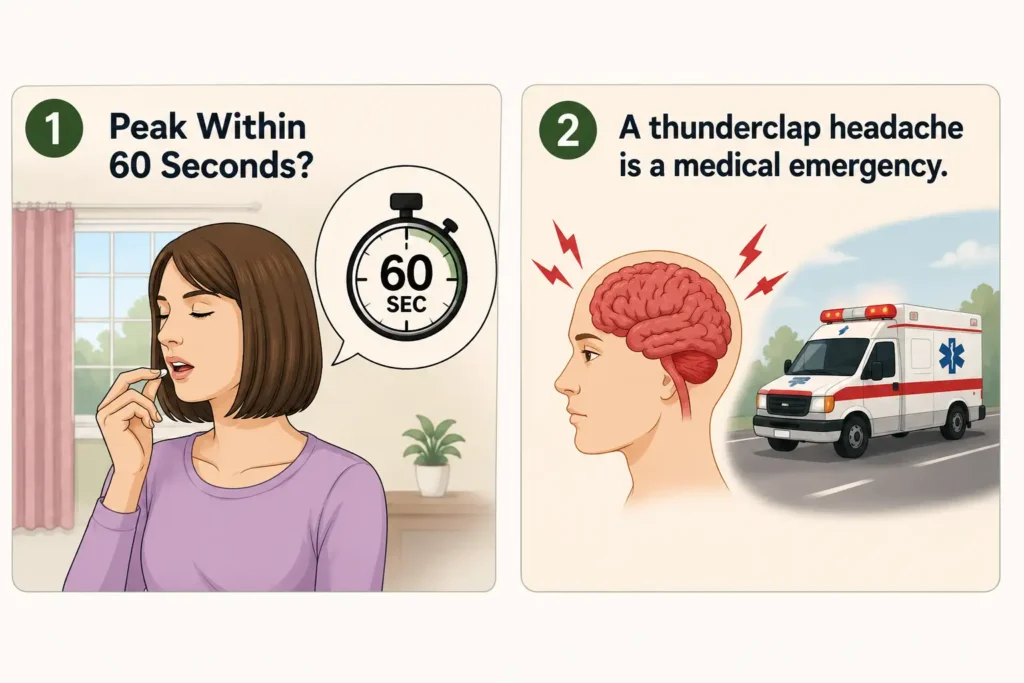
The Crucial First Question: Did It Peak Within 60 Seconds?
Before anything else, one question separates a concerning but manageable headache pattern from a potential neurological emergency.
Did the very first headache in this new pattern reach maximum intensity within 60 seconds of starting?
A headache that goes from nothing to the worst pain of your life within 60 seconds is called a thunderclap headache. It is not a type of primary headache disorder. It is a symptom that requires emergency evaluation immediately, because its most dangerous cause is subarachnoid haemorrhage, bleeding into the space around the brain from a ruptured aneurysm.
| Feature | Sudden Daily Headache (Primary) | Thunderclap Headache (Emergency) |
|---|---|---|
| Onset speed | Builds over minutes to hours | Maximum intensity within 60 seconds |
| Pain description | Constant, pressing, or throbbing | “Worst headache of my life” |
| Associated symptoms | May have nausea, light sensitivity | Stiff neck, vomiting, loss of consciousness |
| What to do | See neurologist within days | Emergency room immediately, call 112 |
If the thunderclap pattern does not apply, continue reading. The causes below cover the vast majority of people who are suddenly getting headaches every day for the first time.
7 Reasons You Are Suddenly Getting Headaches Every Day
1. New Daily Persistent Headache (NDPH): The Condition Most Patients Have Never Heard Of
New Daily Persistent Headache, abbreviated NDPH, is a recognised primary headache disorder with one defining and unusual characteristic: it begins on a specific, clearly remembered day and then never fully goes away. Patients with NDPH can often recall not just the date but the hour their headache started. It was not there one day. It was there the next. And it stayed.
According to research published in the Journal of Headache and Pain, NDPH predominantly affects people without a prior history of frequent headaches, with an average age of onset of 37 years, and affects women in approximately 67% of cases. About 50% of NDPH cases have migraine-like features including light sensitivity, nausea, and one-sided pain, while the other 50% present with bilateral, pressure-like pain more similar to tension headache.
What makes NDPH particularly difficult for patients is that it does not follow the pattern that most people associate with headaches. It does not come and go. It does not have clear triggers. It is simply present, consistently, every day, from the day it started.
Known triggers that have preceded NDPH onset include:
- Viral infections including Epstein-Barr virus, COVID-19, influenza, and other systemic infections, which account for up to 30% of NDPH cases
- Stressful life events, reported in approximately 10% of cases
- Surgical procedures involving intubation, reported in about 9% of cases
- No identifiable trigger at all, which applies to more than 50% of patients
NDPH is notoriously resistant to standard headache treatments. This is why an accurate diagnosis matters so much. Treating NDPH as if it were a tension headache or migraine without recognising its distinct nature produces poor outcomes and prolonged suffering.
Dr. Jaspreet Singh Randhawa explains: “NDPH is the headache diagnosis that most patients reach after seeing three or four doctors who have not named it. When someone tells me their headache appeared on a specific date and has not left since, that is the first thing I consider. The diagnosis changes the treatment approach entirely, and it changes how we explain the prognosis to the patient.”
2. Post-Viral Headache: When an Illness Leaves a Daily Headache Behind
One of the most significant causes of sudden daily headaches that emerged in the last five years is post-viral headache following COVID-19 infection. Persistent daily headache is one of the most commonly reported neurological symptoms of long COVID, present in a substantial proportion of patients who continue to have symptoms 3 or more months after infection. But COVID-19 is not the only virus that does this.
Epstein-Barr virus (the cause of infectious mononucleosis), influenza, dengue, and other viral illnesses can trigger a persistent daily headache through mechanisms including neuroinflammation, changes in intracranial pressure regulation, and disruption of the trigeminal pain pathways. The headache may begin during the acute illness and never fully resolve, or it may appear 2 to 4 weeks after recovery when the patient assumed they were back to normal.
Why do I keep getting headaches every day after my illness ended? Post-viral headache is not a sign that the infection is still active. It reflects a neurological sensitisation that the infection triggered and that has persisted. It requires neurological evaluation rather than repeated courses of antibiotics or antivirals, which will not address the mechanism.
3. A New Medication or Change in Medication
Many medications cause headache as a side effect, and this is frequently overlooked as a cause of sudden daily headaches because patients and doctors alike focus on the condition being treated rather than the treatment itself. If your daily headaches began within days to weeks of starting a new medication, the medication is a primary suspect until proven otherwise.
Common medication classes associated with new daily headaches include:
- Antihypertensives, particularly calcium channel blockers and nitrates
- Oral contraceptive pills, particularly in women starting or changing them
- Proton pump inhibitors used for acid reflux
- Certain antidepressants, particularly during the initiation period
- Erectile dysfunction medications (PDE5 inhibitors) which cause vasodilation
- Statins in a small proportion of patients
The timeline is the most important clue. If a new medication started within 4 weeks of the headaches beginning, a trial of stopping or changing it (under medical supervision only) is often the fastest way to confirm whether it is the cause.
4. A Sudden Change in Sleep Schedule
The brain’s pain threshold is calibrated to circadian rhythm. When the sleep-wake cycle shifts abruptly, whether from starting a night shift job, travelling across time zones, a new infant disrupting sleep, or simply a major change in work schedule, the neurological systems that regulate pain sensitivity are temporarily dysregulated. The result can be daily headaches that appear suddenly and feel inexplicable because the person does not connect a sleep schedule change to a headache pattern.
This type of sudden daily headache typically resolves within 2 to 4 weeks as the body adjusts to the new sleep rhythm, provided the sleep itself is adequate in duration. If the schedule change involved a reduction in total sleep hours below 6 per night, the headaches will persist until that is corrected.
Why am I suddenly getting headaches every day since I changed jobs or started shift work? Sleep schedule disruption is the direct answer. Maintaining the most consistent possible sleep and wake times, even under difficult scheduling conditions, is the single most effective intervention.
5. Caffeine Intake Starting or Stopping
Two opposite caffeine scenarios both produce sudden daily headaches. Starting a new caffeine habit, whether through daily coffee, energy drinks, or caffeine-containing supplements, creates a physical dependence within 1 to 2 weeks. Once that dependence is established, the gap between each caffeine dose produces a withdrawal headache. The headaches appear “all of a sudden” because there was no headache history before the caffeine habit began.
Conversely, suddenly stopping caffeine after a period of regular consumption produces a withdrawal headache that can be severe and daily for 3 to 9 days until the dependence clears. People who stop coffee abruptly and develop daily headaches for the following week are experiencing caffeine withdrawal, not a new headache disorder.
Both patterns are identifiable by timeline. Both are manageable: the first by gradual caffeine reduction, the second by riding out the withdrawal period or tapering reduction more slowly.
6. A New Cervical Spine Problem
Cervicogenic headache originates in the cervical spine (the neck joints, discs, or muscles) and refers pain to the head. It can begin suddenly following a specific event such as a road accident, a sports injury, sleeping in an awkward position, or even an aggressive stretching session. It can also begin more gradually following a sustained change in posture, such as a new desk setup, a longer commute involving driving, or a change in work that involves looking down for extended periods.
The characteristic pattern of cervicogenic headache is pain that starts at the back of the skull, radiates forward to the temple or eye, is typically one-sided, and worsens with specific neck movements or sustained postures. Turning the head, looking up, or holding the phone between the ear and shoulder may all reproduce or worsen it.
This is a headache type that responds well to targeted physiotherapy when diagnosed correctly, and poorly to standard headache medications because the source is mechanical rather than neurochemical. The article on how cervicogenic headache differs from migraine and tension headache covers the clinical distinction in detail.
7. A New Secondary Cause: When the Headache Is a Symptom of Something Else
A sudden onset of daily headaches that was not there before should always prompt evaluation for a new secondary cause, meaning a medical condition that has developed and is expressing itself as head pain. The most clinically important secondary causes of sudden-onset daily headache include:
- Intracranial hypertension (raised CSF pressure): Causes a constant daily headache that is worst in the morning, may be accompanied by visual obscurations (brief blackouts of vision when standing), and pulsatile tinnitus (whooshing sound in the ears). More common in overweight women of reproductive age.
- Intracranial hypotension (low CSF pressure from a CSF leak): Causes a headache that is dramatically worse when upright and improves significantly or completely when lying flat. This positional pattern is so specific it is almost diagnostic on its own.
- Hypertensive crisis: Severely elevated blood pressure, typically above 180/120 mmHg, can cause a sudden daily headache, usually occipital (back of head), sometimes accompanied by visual changes or confusion.
- Acute sinusitis: A new infection causing sinus inflammation produces a sudden, daily facial and forehead pressure headache, almost always accompanied by nasal symptoms.
- Giant cell arteritis (temporal arteritis): In patients over 50, sudden new daily headache, particularly one-sided with scalp tenderness over the temple and jaw pain while chewing, requires urgent ESR and CRP blood tests to rule this out. It can cause permanent vision loss if missed.
According to Cleveland Clinic’s guidance on new daily persistent headache, any moderate to severe headache with sudden onset requires proper neurological evaluation because the symptom profile alone cannot reliably distinguish between a benign primary disorder and a serious secondary cause without clinical examination and where necessary, imaging.
5 Red Flags That Turn a Sudden Daily Headache Into an Urgent Situation
Most people getting headaches every day all of a sudden have a primary or benign secondary cause. But these five features, if present, mean evaluation cannot wait:
- The headache peaked in intensity within 60 seconds (thunderclap pattern). This is a potential neurological emergency until ruled out.
- The headache is worst when lying down and improves when upright, or the reverse: worst when upright and fully relieved by lying flat. Both positional patterns indicate a CSF pressure problem requiring investigation.
- The headache comes with fever, stiff neck, or sensitivity to light in the context of a new illness. This combination raises concern for meningitis, which is a medical emergency.
- The headache started after a head injury, even one that felt minor at the time. Post-traumatic headache can represent an underlying structural issue, including subdural haematoma (slow brain bleed), which worsens over days to weeks.
- The headache comes with any neurological symptom: weakness on one side, speech difficulty, vision loss, double vision, confusion, or seizure. Any of these in combination with a new daily headache requires same-day neurological assessment.
None of these features are cause for panic. They are cause for not waiting. Dr. Jaspreet Singh Randhawa evaluates sudden-onset daily headaches at Medisyn Neuro Centre in Mohali with neurological examination and, where indicated, brain imaging to definitively rule out secondary causes before establishing a primary headache diagnosis and treatment plan.
How Sudden Daily Headaches Are Evaluated at Medisyn
The evaluation of a patient presenting with sudden-onset daily headache follows a specific pathway that prioritises ruling out dangerous secondary causes before attributing the headache to a primary disorder:
- Detailed headache history: the exact date of onset, the speed of onset of that first headache, the character and location of pain, associated symptoms, and any events in the weeks before onset (illness, medication change, injury, schedule change)
- Full neurological examination: eye movements, pupillary responses, reflexes, coordination, and assessment for any focal neurological deficit
- Blood pressure measurement: to rule out hypertensive headache immediately
- Blood tests where indicated: inflammatory markers (ESR, CRP) for giant cell arteritis in patients over 50; thyroid function; complete blood count
- MRI brain with contrast where red flag features are present or the history suggests an intracranial cause
- MRI spine or CSF pressure evaluation where positional headache pattern suggests CSF leak or intracranial hypertension
Patients who have been experiencing sudden-onset headaches that are also associated with neck or back symptoms should read the article on spinal conditions that can cause or contribute to persistent daily headaches.
For a comprehensive understanding of all the causes of daily headaches including those that develop gradually over time rather than suddenly, the pillar article on what causes headaches every day and how each type is diagnosed covers the full clinical picture.
According to a systematic review of NDPH published in the Journal of Headache and Pain, NDPH is considered important among headache disorders not because it is common but because of its persistence and its frequent resistance to standard treatment, making early accurate diagnosis critical to preventing years of inadequately managed daily head pain.
10 Questions People Ask When Headaches Start Suddenly Every Day
1. Why did I suddenly start getting headaches every day with no history of them?
This is the defining description of New Daily Persistent Headache. It begins on a specific day in someone with no prior frequent headache history and stays continuously from that point. A viral trigger precedes it in about 30% of cases. In more than 50% of cases, no clear trigger is identified. Neurological evaluation is the necessary next step to confirm the diagnosis and rule out secondary causes.
2. Can stress cause a sudden daily headache that was not there before?
Stress alone rarely produces a truly sudden-onset daily headache with no prior history. It can trigger episodic tension headaches, and it can accelerate the progression of infrequent headaches toward daily frequency. If the headache genuinely appeared suddenly on a specific day and has been daily since, stress as a standalone cause is unlikely to be the full explanation.
3. Why do I keep getting headaches every day after having COVID?
Post-COVID persistent daily headache is one of the most frequently reported neurological symptoms of long COVID. The mechanism involves neuroinflammation and trigeminovascular sensitisation triggered by the viral infection. It can persist for months and does not respond to the standard over-the-counter treatments people use for occasional headaches. A neurologist with experience in post-viral headache management is the appropriate specialist to see.
4. Could my new headaches be from a brain tumour?
Brain tumour headaches have specific features: worst in the morning, worsened by bending forward or straining, associated with vomiting (often without much nausea), and accompanied by progressive neurological symptoms such as weakness, personality change, or seizures. A daily headache that appeared suddenly with none of these features is extremely unlikely to be caused by a tumour. However, if you have any of those associated features, an MRI is the definitive way to rule it out.
5. Can a bad sleeping position cause sudden daily headaches?
Yes, in the context of cervicogenic headache. An injury to the cervical spine from a sustained awkward sleeping position, particularly one that strains the neck joints or compresses the C2-C3 nerve roots, can produce a sudden onset of daily one-sided headache. The distinguishing feature is that neck movement reproduces or worsens the head pain. Physiotherapy is the most effective treatment for this cause.
6. Is it normal for headaches to be there every single day from the moment they started?
It is not normal, but it is a recognised clinical pattern with a specific name (NDPH) when it occurs in someone without prior headache history. It requires neurological evaluation. The persistence from day one is itself a diagnostic clue that guides the investigation and treatment approach.
7. Why do I have headaches every day but no other symptoms?
The majority of primary headache disorders including NDPH, chronic tension headache, and chronic migraine can present with daily headache as the sole or dominant symptom, particularly in the early stages. The absence of other symptoms is reassuring but does not eliminate the need for a proper diagnosis, since the treatment approach differs significantly between these conditions.
8. Will sudden daily headaches go away on their own?
Some will. A subset of NDPH cases, estimated at around 15 to 20%, undergo spontaneous remission within the first year without specific treatment. Post-viral headaches often gradually improve over 3 to 6 months. Sleep disruption-related headaches resolve once the sleep pattern stabilises. However, waiting without evaluation risks months of unnecessary daily pain and the possibility of missing a treatable secondary cause.
9. Why am I getting headaches every day all of a sudden at night?
A headache that specifically wakes you from sleep in the early morning hours points to a small number of specific causes: hypnic headache (a rare primary headache disorder of older adults that occurs at a consistent time each night), intracranial pressure changes (where lying flat raises CSF pressure), sleep apnea with nocturnal oxygen drops, or cluster headache (which characteristically begins 1 to 2 hours after falling asleep). Nocturnal headaches that wake you from sleep are one of the red flags that warrant neurological evaluation promptly.
10. When should I see a neurologist for sudden daily headaches in Mohali?
See Dr. Jaspreet Singh Randhawa at Medisyn Neuro Centre in Mohali if your daily headaches started suddenly and have been present every day for 2 weeks or more, if any of the 5 red flags in this article apply, if the headaches are waking you from sleep, or if over-the-counter treatment is not providing consistent relief. Sudden-onset daily headaches have a specific differential diagnosis that requires a specialist to work through systematically, and the earlier that process starts, the better the outcome.